

OKINAWA JOBS IN JAPAN
Summer jobs in Japan are available in Okinawa, Japan’s own Hawaii! Culturally rich, and a spectacular beach destination, Okinawa is the most popular beach resort area in Japan.
Experience Okinawa at its best, working in a beach resort. Meet some of the friendliest people in Japan, explore the “Ryukyu” culture, learn the language, and enjoy the tropical sun and water sports!
Watch our past staff videos, and read more about our beach programs below!
OKINAWA RESORT AREAS
ONNA-SON
Onna-son is a coastal town in central Okinawa known for its clear waters, sandy beaches, and coral reefs, making it a top spot for snorkeling and diving. Many of Okinawa’s beach Resorts and hotels are located in Onna-son.
MOTOBU
Located in Northern Okinawa, Motobu is known for it’s relaxed atmosphere, beaches and attractions such as the Churaumi Aquarium.
JAPANESE RESORT LIFE
Living and Working in Japan is a unique and exciting experience. With the right attitude, you’ll make lots of Japanese friends, improve your Japanese, and (if you don’t party too much), leave your Resort with enough cash to explore the amazing wonders of Japan – possibly with the friends you’ve made at the resort!
Japan Resort life will be very different to your routine back home though. Learn more below:
OKINAWA RESORT STAFF VIDEOS
MEALS
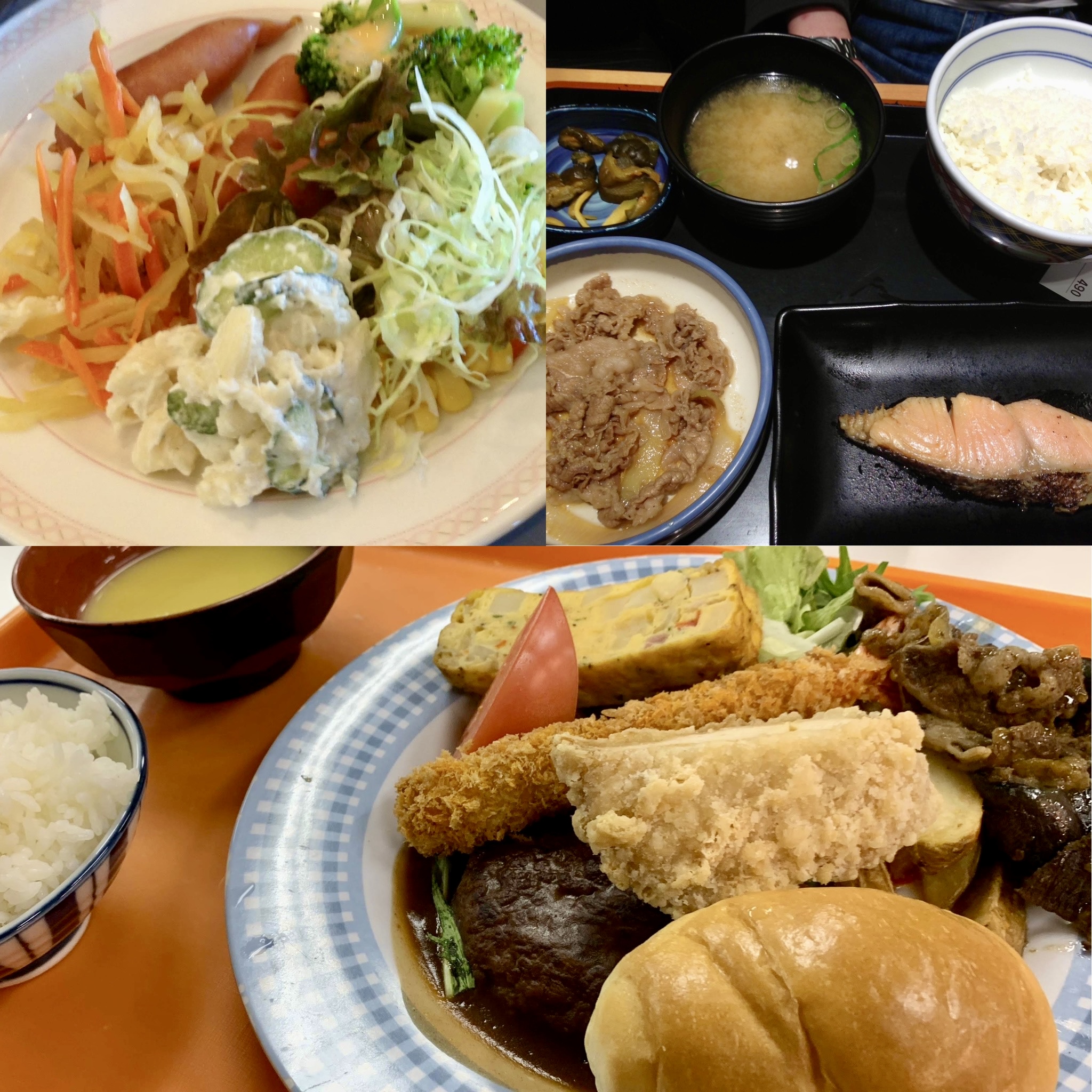
Two meals per day are provided. Lunch and dinner are served during set times in either the resort staff cafeteria. You can have one meal before or after work, with another meal during your shift. On holidays you can either go into the hotel to have the meals, or prepare something yourself at the dorm.
Meals are simple, Japanese-style dishes; nothing fancy, but nutritious and satisfying. There may be quite a few deep-fried dishes, and not as many fruits and vegetables as you’re used to. If you grow tired of the dormitory food every day, you can eat out with your friends, or buy food from the local supermarket/convenience store instead.
SPECIAL DIETS: Japanese-run resorts cannot cater to specific dietary needs (vegetarian, gluten-free, diabetic etc), as they have to prepare meals for hundreds of staff at once. In addition, staff aren’t permitted to use kitchen facilities to prepare their own food.
Read our Blog post from a past Vegetarian staff for details on surviving at a Japanese-run resort as a Vegetarian.
FREE TIME
Okinawa has so much to offer!
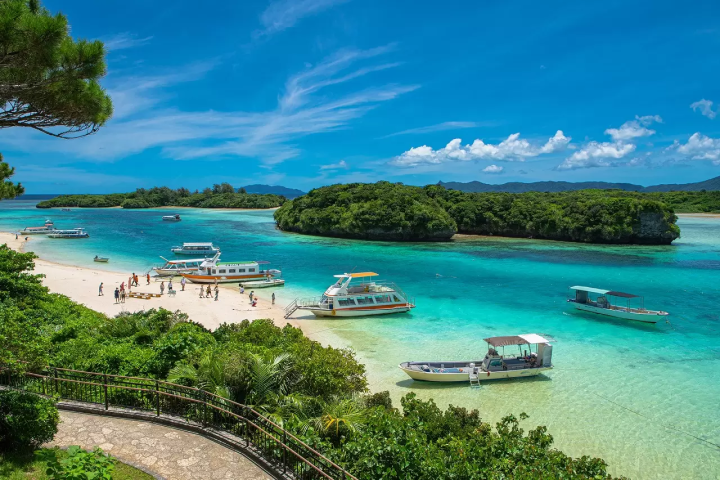
Beach after beach after beach – Okinawa’s cost consists of one magnificent beach after another. Even staying in Okinawa for several months, you won’t get time to explore them all – but you can try!
As well as beaches there’s the famous Churaumi Aquarium, Pinnaple Park, the War Memorial, Kokusaidori and many more attractions/places to explore.
Renting a car in Okinawa is a great way to see the island. If you can, we reccomend bringing an International License with you so you have that option.
SALARY & JOB CONDITIONS
Hourly wage: All our summer jobs in Japan resorts pay at least Okinawa’s minimum wage. While this might seem low to Western minimum wages, your expenses will be minimal and any money you bring from home will go a lot further in Japan too. Also, with your dormitory accommodation and meals highly subsidized by the resort, and not needing a car to get to work, you’ll actually be getting a better “deal” than many local Okinawans who work similar entry-level jobs nearby, but without those benefits.
Tax: According to Japanese law, anyone not already living more than 12 months in Japan must pay 20% income tax.
Hours: approx. 44hours per week* 8 days off per month.
Work Insurance: All staff are covered by Japanese “Rousai” Work Insurance while on the job.
OKINAWA JOB DESCRIPTIONS
Restaurant/Waiter/Waitress
Working Hours: A typical working day falls anywhere between 6:00am and 11:30pm. You won’t start at 6am and finish at 11:30pm, rather you’ll have, on average, a 9 hour shift (with a 1 hour unpaid lunch break) that covers one or two out of three meals services (breakfast and lunch or lunch and dinner).
Morning Preparation: Primary duties include sweeping/vacuuming your work area each morning.
Regular Duties: Serving drinks and dishes to customers at their tables, clearing them away after customers have finished, and wiping down tables in preparation for the next customers. Some restaurants have self-serve facilities, whereby customers serve themselves (leaving only the clearing of tables for restaurant staff). Showing customers to tables (taking orders, if required, is usually done by Japanese staff). Serving food onto dishes for customers, and simple food preparation duties, such as making hotdogs, sandwiches or pizzas.
Additional Duties: Greeting customers with a nice smile and a friendly ‘hello’.
Housekeeping
Working Hours: A typical day falls between 7:00am and 10:00pm. An average 9 hour shift (1 hour unpaid lunch break) covers either the earlier morning/afternoon or the afternoon/night.
Regular Duties: Cleaning rooms after customers have checked out. Removing used linen, and resetting the room with clean bedroom and bathroom linen. Collection of rubbish and cleaning of bathroom. Vacuuming and wiping of visible surfaces to make clean for new customers. Restocking of room fridge and other amenities. This is not a glamorous job, but very important for the running of a hotel.
Additional Duties: Greeting customers with a nice smile and a friendly ‘hello’.
Equipment Rental
Working Hours: A typical day starts at 8:30am and finishes at 5:30pm (1 hour unpaid lunch break). Evening hours are sometimes required between 5:30pm – 9:00pm.
Morning Preparation: Primary duties include sweeping your work area each morning, and filling cash registers with the days ‘float’.
Regular Duties: Helping customers with any queries and offering recommendations about Beach Equipment (eg. kayaks, jet-skis etc). Briefing customers on the safety and handling of equipment. Taking customer details (name, address, contact numbers) when organizing rental equipment. Ringing up customer rental charges on the cash register and controlling cash inflows-outflows (great care needs to be taken in giving the correct change to customers). Helping customers choose appropriate sized equipment (according to body weight and height, etc.). Collecting rental gear from customers at the end of each work day and checking stock levels to make sure all rental equipment has been returned. Closing and balancing cash registers at the end of the work day.
Additional Duties: Greeting customers with a nice smile and a friendly ‘hello’.
Beach/Pool Attendant
Working Hours: A typical day starts at 8:30am and finishes at 5:30pm (1 hour unpaid lunch break).
Morning Preparation: Primary duties include setting up beach chairs and umbrellas.
Regular Duties: Monitoring beach and pool areas for customer safety (assisting customers who are in trouble or injured). Keeping a look out for unattended or lost children. Warning any customers who break resort rules or jeopardize others through dangerous actions. Attending to injured customers until medical services arrive (cuts, grazes, stings etc.) First Aid qualification not required. Policing the no-swim zones. Helping customers with any queries.
Additional Duties: Greeting customers with a nice smile and a friendly ‘hello’.
Gift Shop
Working Hours: A typical falls between 8:00am and finishes at 10:00pm (1 hour unpaid lunch break). Overtime work is sometimes available, but unusual.
Morning Preparation: Primary duties include briefly sweeping your work area each morning, and filling cash registers with the days ‘float’.
Regular Duties: Helping customers with any queries, and offering recommendations about gifts and cakes. Ringing up customer purchases on the cash register and controlling cash inflows-outflows (great care needs to be taken in giving the correct change to customers). In limited cases, gift-wrapping may be required. Closing and balancing cash registers at the end of the work day.
Additional Duties: Greeting customers with a nice smile and a friendly ‘hello’.
Bellhop
Working Hours: An average shift is 9 hours (1 hour unpaid lunch break). Shift times may vary greatly throughout the month. A typical day starts anywhere between 7:00am and 12:00pm and finishes 8 or 9 hours later. Overtime work is sometimes available during the peak summer months.
Morning Preparation: Primary duties include briefly sweeping your work area each morning.
Regular Duties: Taking care of customers’ baggage and delivering baggage to rooms (no tipping in Japan). Guiding customers to the front desk for check-in and helping with any other queries.
Additional Duties: As the initial contact point with customers entering the hotel, greeting customers with a nice smile and a friendly ‘hello’ is crucial.
Information/Concierge
Working Hours: Shift start times may vary throughout the month. A typical day consists of a 9-hour shift (1 hour unpaid lunch break) anywhere between 7:00am and 9:00pm. Overtime work is available.
Morning Preparation: Primary duties include briefly organizing your work station each morning.
Regular Duties: Taking care of customers’ enquiries and offering recommendations about events / restaurants / sights / facilities etc.
Additional Duties: Greeting customers with a nice smile and a friendly ‘hello’ is crucial.
Hotel Front Desk
Working Hours: An average shift is 9 hours (1 hour unpaid lunch break) . Shift times may vary greatly throughout the month. Reception is open 24hrs and shift times can fall anytime during the day. Shifts are rarely split; you will be working a 9 hour block. Overtime work is applicable to shifts exceeding 9 hours.
Morning Preparation: Primary duties include briefly sweeping your work area each morning.
Regular Duties: Helping customers check-in and check-out. Taking the occasional reservation and answering the telephone (putting telephone calls through to other departments). Helping customers with any queries about hotel facilities etc. and offering recommendations about services. Ringing up customer bills on the cash register and controlling cash inflows-outflows (great care needs to be taken in giving the correct change to customers).
Additional Duties: Greeting customers with a nice smile and a friendly ‘hello’.
BEACH JOB FAQ’s
When does the Okinawa season run?
Jobs are offered year-round, with most positions available between April and October.
Can I swim or snorkel after work?
Yes! You’ll be living by the beach and free to enjoy the ocean in your downtime.
What is the weather like?
Hot and humid tropical weather.
Even though it’s hot and humid, being a tropical island it’s often more barable than similar hot and humid weather in the city.
Between July – November you can expect occasional typoons too. They’re terrible for tourists who’ve booked a short holiday only to have it coincide with a typhoon, but for staff the wind and rain can be fun.
Can I prepare my own food?
Yes. Dorms in Okinawa have kitchen facilities, so you’re welcome to prepare your own food on holidays (or whenever) if you wish.
Will sunblock be provided at work?
No. We suggest bringing sunblock from home. Sunblock can be more expensive in Japan that at home, so bringing a big bottle with you (or two!) isn’t a bad idea!
PROGRAM COSTS
FREE!
You Studied Japanese at University, OR
You Joined our programs before, OR
You are already fluent in Japanese
Find out more
Security Deposit Only
$ 450 USD
Access to job offers from BEST resorts only
Full support before, during and after program
Fully refundable in certain circumstances
Find out more
Standard Program Cost
See the link above for more information.
OTHER EXPENSES FOR OKINAWA
Flights & Travel Insurance: You have to pay for your own flight to Japan, and Travel Insurance. Expect to pay approx. USD$1,500 for both.
Leisure: eg. scuba diving, eating out etc.
APPLY NOW
Please understand you’ll be spending a lot of time at work.
Each year, a few staff quit on their 2nd day of work, claiming they “just want to ski”. Please accept that Resort work is not just a vacation, but a unique chance to learn Japanese, experience the culture and work-ethic first hand. With the right attitude, you’ll find your job can be just as interesting & fun as your time-off!